
Avery Hartmann · 17 September 2026
Decoding Seasonal Shifts in Direct Navigation Habits Among Niche Digital Publishers
Direct navigation traffic arrives when users type a publisher's domain into their browser rather than arriving through search engines or social referrals, and this channel shows measurable changes across calendar quarters according to multiple traffic analysis platforms. Researchers who track independent sites note that seasonal factors like academic calendars, holiday shopping periods, and weather patterns correlate with shifts in how audiences reach niche content directly, especially among publishers focused on specialized topics such as hobbyist electronics, regional food traditions, or independent music scenes.
Data compiled over multiple years indicates that back-to-school months often produce steady increases in direct visits for educational and productivity-focused niches, while summer months can see declines as readers spend more time outdoors. Those who monitor these patterns point to September 2026 as a key period when publishers in the education and planning verticals may observe renewed direct traffic after the summer lull, based on historical trends that repeat with school schedules across North America and Europe.
Understanding Direct Navigation in Niche Contexts
Niche digital publishers operate sites that serve narrow audiences rather than broad mainstream topics, and these operators depend more heavily on repeat direct visitors because their content does not always rank for high-volume search terms. Direct navigation reflects audience loyalty and brand recall, which researchers measure through server logs and analytics dashboards that separate typed-in URLs from other referral sources. Studies from academic institutions such as those affiliated with Statistics Canada have examined how smaller platforms experience different traffic composition compared to large media companies, revealing that direct visits form a larger share of total sessions for specialized publishers.
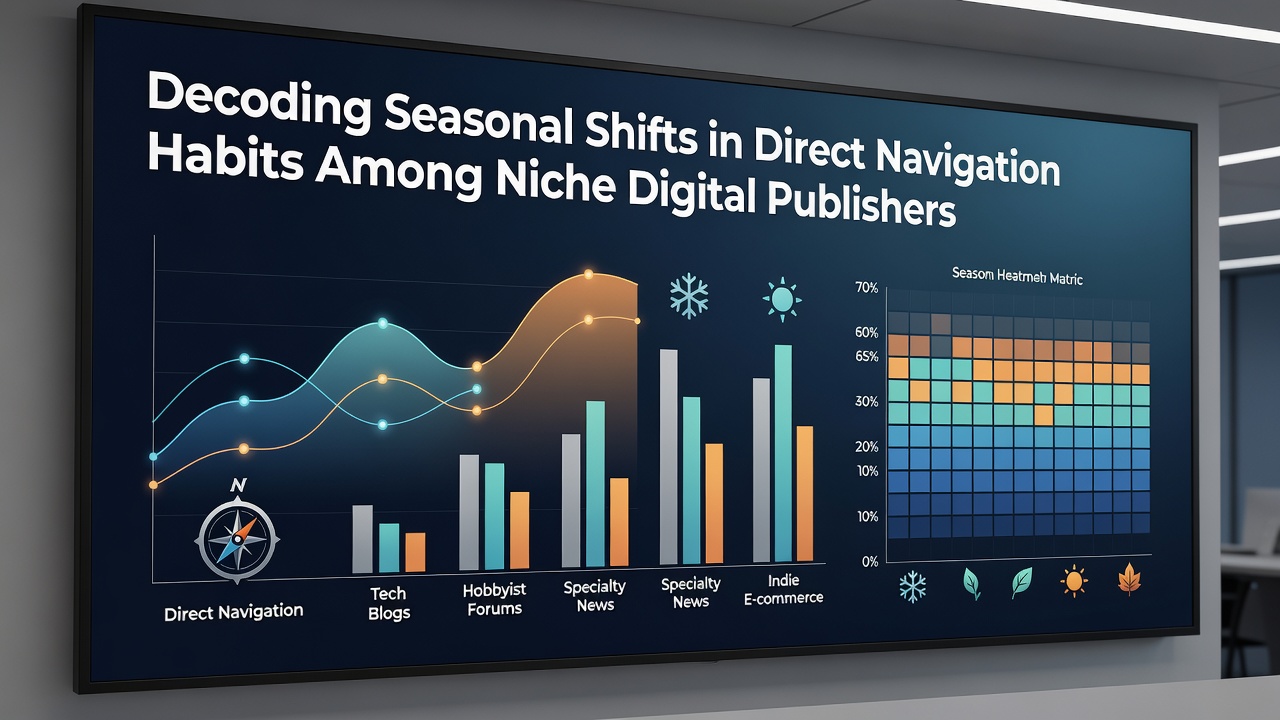
Seasonal shifts appear because reader routines change, and observers note that these changes affect the proportion of direct traffic relative to other channels. For instance, winter months bring higher indoor screen time in colder climates, which correlates with increased direct visits to hobbyist sites focused on indoor crafts or gaming strategies, whereas spring often brings a redistribution of attention toward outdoor topics.
Documented Patterns Across Quarters
Traffic records from independent publishers show consistent quarterly variations that align with cultural and environmental events. Fall periods frequently register higher direct navigation rates for content related to annual planning, budgeting, and preparation activities, while post-holiday January sees spikes among finance and wellness niches. Those analyzing multi-year datasets find that these patterns hold across different regions, though the exact magnitude varies by niche focus and geographic location of the audience.
One study tracking European digital consumption highlighted how summer vacation schedules reduce direct visits to certain professional development sites, with recovery beginning in late August. Similar observations appear in Australian data sets, where end-of-year school breaks produce comparable dips followed by rebounds. These findings suggest publishers can anticipate rather than react to predictable fluctuations when they review historical analytics segmented by month.
Factors Driving the Shifts
Multiple elements combine to produce the observed seasonal changes in direct navigation. Changes in daily routines, device usage patterns, and content consumption habits all play roles, according to reports compiled by industry research groups. Weather influences indoor versus outdoor activity, which in turn affects how often people sit down at a computer and type familiar URLs. Holiday periods introduce both opportunities and disruptions, with gift-guide content drawing direct visits in November and December while travel schedules reduce overall screen time for some demographics.
Device type also matters, since mobile users rely less on typed addresses and more on bookmarks or app shortcuts, yet desktop sessions during work or study hours still account for a meaningful portion of direct traffic among certain niches. Research from university-led projects in Canada has documented these device-based differences, showing that desktop direct navigation remains stable during business hours even as mobile patterns fluctuate with seasons.
Practical Observations from Publisher Data
Publishers who segment their analytics by acquisition channel report that direct traffic stability varies by content vertical, with some niches experiencing sharper seasonal swings than others. Sites covering seasonal hobbies like gardening or skiing show pronounced drops during off-seasons, whereas evergreen topics such as technical tutorials maintain more consistent direct visit rates year-round. Those reviewing server data over successive years note that September often marks a transition point where planning-related content regains momentum, particularly as new academic and fiscal cycles begin.
Cross-referencing with external benchmarks helps isolate seasonal effects from broader trends, and figures from sources such as the Australian Bureau of Communications and Arts Research provide regional context for how digital habits evolve. These comparisons allow publishers to distinguish between normal cyclical movement and longer-term changes in audience behavior.
Conclusion
Seasonal shifts in direct navigation among niche digital publishers follow repeatable patterns tied to calendars, weather, and routine changes, with data from multiple regions confirming these cycles. Publishers who examine their own traffic logs alongside broader industry reports can identify the timing and magnitude of these shifts for their specific verticals, enabling more accurate planning around content releases and promotional activities. As September 2026 approaches, historical records suggest renewed direct traffic potential for niches aligned with academic and planning cycles, provided publishers continue to monitor channel-specific metrics throughout the year.