Avery Hartmann · 1 October 2026
Charting Visitor Pathway Dynamics Within Autonomous Web Ventures for Retention Optimization
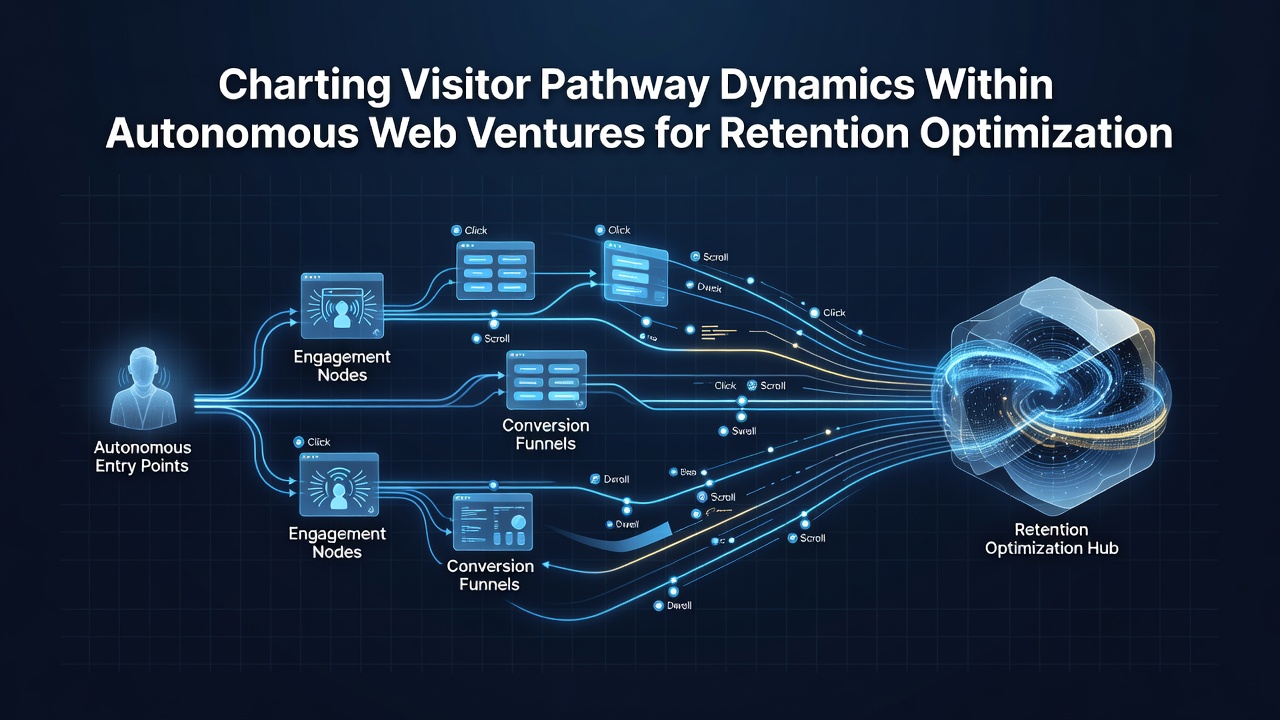
Autonomous web ventures rely on precise mapping of visitor movements to sustain engagement over repeated sessions, and data from multiple analytics platforms shows that path analysis reveals entry points, navigation sequences, and exit triggers that directly influence return rates. Researchers at various institutions track these flows through clickstream logs, session recordings, and heat mapping tools, which aggregate user interactions into visual diagrams that highlight high-traffic corridors and underused sections. In October 2026, industry reports indicated that solo operators who implemented pathway segmentation saw measurable shifts in retention metrics, particularly when they adjusted content placement based on observed drop-off zones.
Core Components of Pathway Analysis
Pathway charting begins with collection of timestamped event data that includes page views, scroll depth, and interaction timestamps, while tools such as server log parsers and client-side tracking scripts compile these records into chronological sequences for each unique visitor. Observers note that autonomous sites often generate smaller data volumes than enterprise platforms, yet the granularity remains sufficient for identification of recurring patterns like direct-to-blog navigation or category-to-product loops. Those who study these systems find that combining quantitative funnel metrics with qualitative session replays produces clearer pictures of how users traverse information hierarchies, and this integrated approach supports targeted adjustments to menu structures or internal linking schemes.
Integration of Retention Metrics
Retention optimization hinges on correlation of pathway data with repeat-visit indicators such as returning user ratios and interval-based engagement scores, since prolonged session chains frequently precede higher loyalty signals. Figures from digital economy surveys reveal that sites employing real-time path monitoring reduce single-page exits by redirecting attention through contextual prompts at detected friction points, and this technique proves especially useful for ventures without dedicated marketing teams. Experts have observed that layering behavioral cohorts onto pathway maps allows operators to distinguish between one-time explorers and potential repeat visitors, which in turn guides decisions about newsletter placements or resource recommendations that appear at specific journey stages.
Technological Approaches in Use
Modern implementations draw on open-source libraries for event streaming alongside commercial dashboards that visualize aggregated flows in October 2026 updates, and these systems process data from multiple devices to account for cross-platform movement. Academic studies from institutions across North America and Europe demonstrate that machine learning models trained on historical path sequences can forecast likely exit pages with increasing accuracy, enabling preemptive content interventions. People managing independent platforms often integrate these models with existing content management systems so that dynamic elements adjust based on inferred visitor intent derived from prior clicks within the same session.
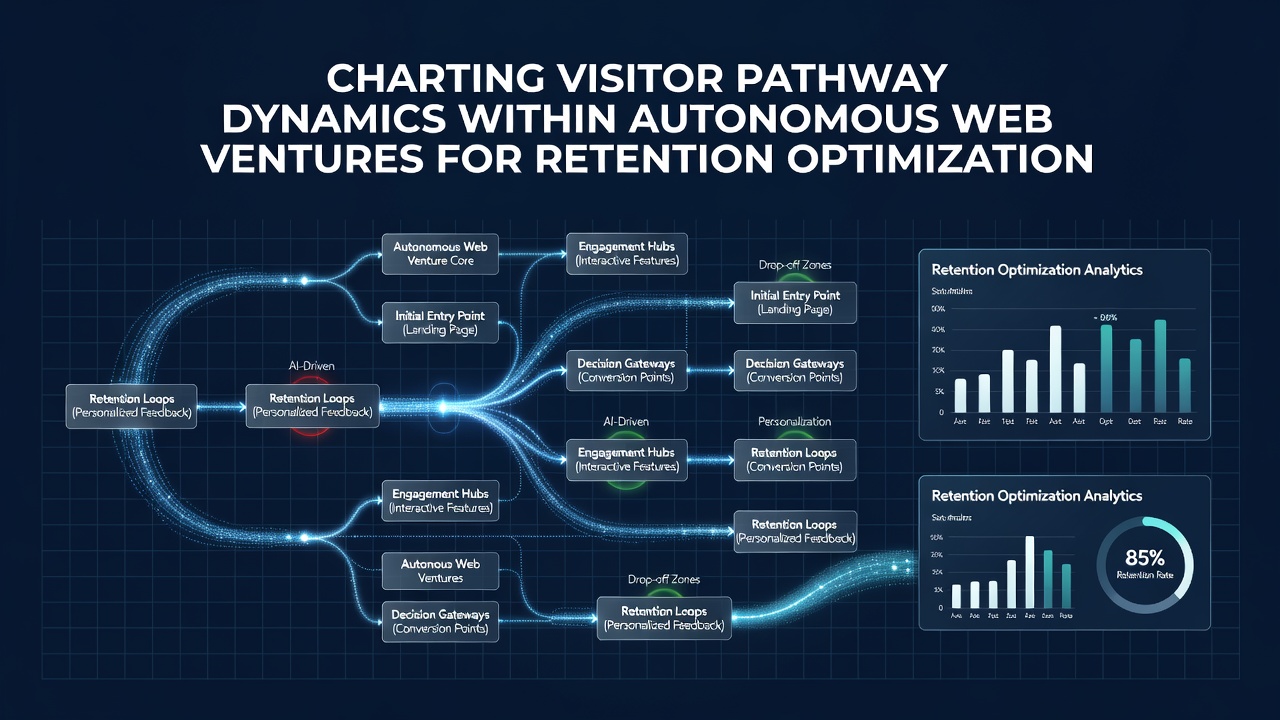
One documented case involved a niche publisher that overlaid scroll-heat data onto navigation trees and discovered that readers abandoned long-form articles at a consistent midpoint, prompting the addition of internal anchor links that extended average session length. Such adjustments illustrate how pathway insights translate into structural changes without requiring large-scale redesigns. According to Statistics Canada research on digital adoption, small-scale operators who adopted similar data-driven refinements reported steadier traffic retention compared with those relying solely on aggregate traffic counts.
Challenges Specific to Independent Operations
Limited server resources and privacy-compliant data handling constrain the depth of pathway tracking available to autonomous ventures, yet simplified event schemas still capture essential transition probabilities between pages. Those who've studied this landscape note that cookie deprecation trends in 2026 pushed many operators toward server-side aggregation methods that preserve sequence integrity while respecting user consent frameworks established by regulatory bodies in multiple jurisdictions. Data shows that ventures balancing detailed logging with minimal collection overhead maintain competitive retention curves, particularly when they prioritize first-party identifiers over third-party trackers.
Future Directions Observed in Current Practice
Emerging protocols for privacy-preserving analytics continue to shape how pathway data gets processed, and Australian Bureau of Statistics reports highlight rising adoption of federated learning techniques among smaller digital publishers. These methods allow collective insight generation without centralizing individual session records, which aligns with the operational realities of solo-run sites. Observers note ongoing experimentation with predictive overlays that suggest next-page content based on real-time path position, adn early results indicate potential for further gains in repeat engagement when such features receive iterative refinement.
Conclusion
Pathway dynamics provide a factual foundation for retention strategies in autonomous web ventures, as evidenced by consistent findings across analytics deployments and regional economic data sets. Continued refinement of tracking methods alongside evolving privacy standards supports sustained improvement in how operators interpret and act upon visitor sequences.